



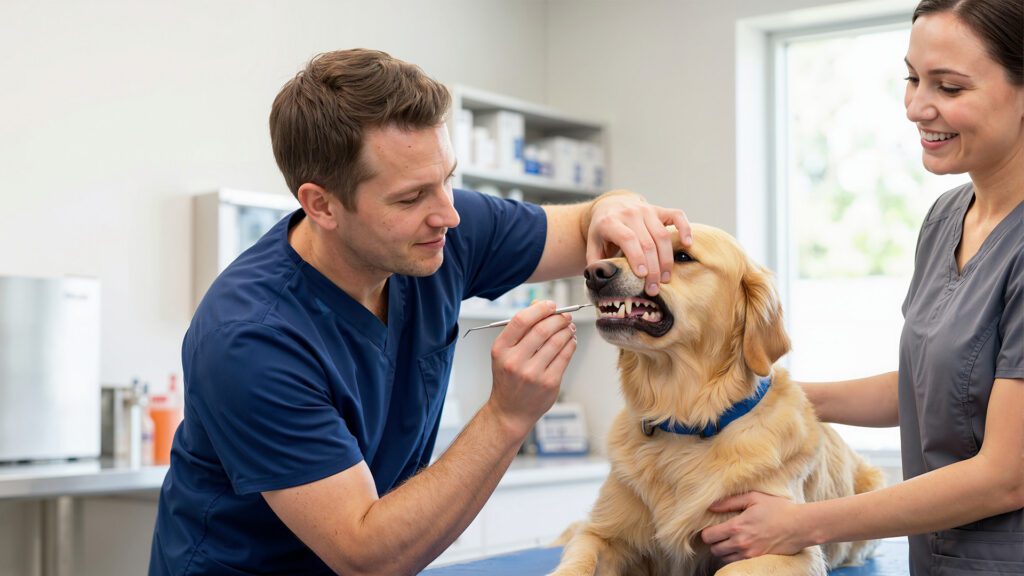
Dental problems in pets can be easy to miss. A dog may continue eating despite a painful tooth, while a cat can hide oral discomfort until the problem becomes more serious. Many dental conditions also develop below the gumline, where a basic visual check cannot reveal the full picture.
That is where AI-assisted veterinary dental technology is beginning to play a role. Nerovet AI Dentistry is a platform focused on using artificial intelligence to analyze pet dental images and support veterinary professionals in identifying possible oral health concerns. According to the platform, its tools are designed for dogs, cats, and veterinary clinics and can assist with the review of dental X-rays and other dental images.
The important point is that AI is a support tool, not a replacement for a veterinarian. A qualified veterinary professional remains responsible for interpreting findings, making a diagnosis, and deciding on treatment.
What Is Nerovet AI Dentistry?
Nerovet AI Dentistry refers to AI-powered technology designed to support pet dental health assessment. The general idea is straightforward: a dental image is analyzed by software trained to recognize patterns that may be associated with oral abnormalities.
Depending on the image type and workflow, AI-assisted veterinary dentistry may help flag issues involving:
- Periodontal disease
- Bone loss around teeth
- Tooth fractures
- Root-related abnormalities
- Possible tooth resorption
- Missing or abnormal teeth
- Other visible changes in dental images
Nerovet describes its technology as a way to analyze veterinary dental X-rays and images and provide findings that a veterinarian can review. The company also emphasizes that AI is intended to assist clinical decision-making rather than independently diagnose a patient.
For pet owners, this means AI should be viewed as an additional layer of analysis behind professional veterinary care—not as a substitute for taking a pet to the veterinarian.
Why Pet Dental Problems Can Be Difficult to Detect
A pet’s mouth can look relatively normal while problems are developing below the gumline. Roots, surrounding bone, and other structures cannot be fully evaluated by simply looking at the visible part of a tooth.
This is one reason dental imaging is so important in veterinary dentistry. X-rays can reveal structures that are not visible during a surface examination.
Common signs that may lead a veterinarian to investigate dental health more closely include:
- Persistent bad breath
- Red or bleeding gums
- Heavy tartar buildup
- Drooling more than usual
- Pawing at the mouth
- Difficulty chewing
- Dropping food
- Swelling around the face or mouth
- Changes in eating behavior
These signs do not automatically identify a specific dental disease. A veterinarian must examine the pet and determine what testing or treatment is appropriate.
AI can potentially help organize and review imaging findings, but the quality of the original image and the veterinarian’s clinical judgment still matter.
How AI Pet Dental Image Analysis Works
AI systems used for image analysis generally rely on machine learning models trained with examples of labeled images. The system learns to identify visual patterns associated with particular structures or abnormalities.
A typical AI-assisted dental workflow may look like this:
1. A Dental Image Is Captured
The clinic obtains a dental X-ray or another appropriate image. Image quality is important because blurry, incomplete, or poorly positioned images can affect any analysis.
2. The Image Is Submitted for Analysis
The image is processed by the AI system. The software evaluates visual features and looks for patterns it has been designed to recognize.
3. Areas of Interest May Be Flagged
The system may highlight regions that deserve closer attention. For example, an area around a tooth root or supporting bone may be identified for professional review.
4. A Veterinarian Reviews the Results
This is the most important step. The veterinarian compares the AI output with the image, physical examination, medical history, and other relevant information.
5. A Clinical Decision Is Made
Only the veterinary professional determines whether a finding represents disease and whether treatment is necessary.
Nerovet describes AI analysis as decision support and a potential “second set of eyes” rather than a replacement for veterinary expertise.
What Can Nerovet AI Dentistry Potentially Help With?
AI technology can be especially useful when it helps make a busy clinical workflow more consistent. Instead of replacing established dental procedures, the goal is to support them.
Supporting Dental X-Ray Review
Dental radiographs contain a large amount of information. A clinic may need to examine numerous teeth, roots, and surrounding bone structures during a dental procedure.
AI-assisted review can potentially flag suspicious areas and help ensure that findings receive attention. Nerovet describes uses including identifying patterns related to periodontal disease, fractures, root problems, and tooth resorption.
Improving Documentation
Veterinary dental records often require detailed tooth-by-tooth documentation. Nerovet has also described AI-assisted dental charting workflows that can help identify teeth, organize findings into a structured map, and generate information for clinician review.
Better organization does not guarantee better diagnosis, but standardized documentation may make it easier to compare a patient’s dental condition over time.
Helping With Pet Owner Communication
Dental terminology can be difficult for pet owners to understand. Images, visual markers, and structured reports may make it easier for a veterinarian to explain why a particular tooth or area needs attention.
For example, showing an owner an X-ray and pointing out an area identified for further review can provide more context than simply saying a dental procedure is recommended.
The final explanation, however, should come from the veterinary professional—not from an AI report alone.
AI Dental Imaging and Intraoral Photos
Not every dental image provides the same information.
An intraoral photograph can show visible tartar, gum inflammation, crowding, or an obvious fracture. However, a photograph cannot reveal everything happening below the gumline.
Dental X-rays can provide information about roots, bone, and structures hidden from direct view.
Nerovet has discussed AI-assisted workflows involving both radiographic images and intraoral imaging. Its materials also acknowledge the limits of surface images, particularly when conditions require radiographs or other clinical evaluation for confirmation.
This distinction matters. A useful AI system should be used with an understanding of what the input can and cannot show.
Can AI Replace a Veterinarian?
No. AI pet dental technology should not replace a veterinarian’s examination, diagnosis, or treatment decisions.
An algorithm may recognize patterns in an image, but it does not independently evaluate the full medical context of the patient. A veterinarian can consider factors such as:
- The pet’s age
- Breed and anatomy
- Medical history
- Symptoms
- Physical examination findings
- Image quality
- Laboratory results when relevant
- Changes over time
Nerovet’s own published materials describe AI as a clinical support tool and state that final diagnosis and treatment decisions remain with qualified veterinary professionals.
That human review is essential because AI systems can produce incorrect or incomplete results. Poor-quality images, unusual cases, and conditions that were underrepresented in training data can all create limitations.
Benefits of AI-Assisted Veterinary Dentistry
The potential value of AI depends on how well it performs in a real clinical environment. Some possible benefits include:
Faster Initial Review
Software can analyze images quickly and provide preliminary findings for review. This may help clinicians prioritize areas that deserve closer inspection.
More Consistent Workflows
A standardized system may help reduce variation in documentation and make follow-up comparisons easier.
Better Visualization
Visual reports and flagged areas may improve communication among veterinary team members and with pet owners.
Support for Busy Clinics
Dental procedures can involve many tasks, including imaging, charting, treatment, anesthesia monitoring, and client communication. Automation may reduce some repetitive documentation work.
These benefits should be evaluated carefully. Faster output does not automatically mean a more accurate clinical diagnosis.
Important Limitations to Consider
AI in veterinary dentistry is promising, but pet owners and clinics should avoid treating marketing claims as proof that every system will perform equally well.
Before relying heavily on an AI dental platform, important questions include:
How Was the System Validated?
Ask what evidence supports the system’s performance. Independent validation and transparent methodology can provide more useful information than a percentage displayed in promotional material.
What Images Was It Trained On?
A system trained on a limited dataset may perform differently when used with pets from different breeds, sizes, ages, or imaging equipment.
Can the Veterinarian Review and Edit the Output?
A clinician-in-the-loop approach is important. AI findings should be reviewable, editable, and subject to professional judgment.
How Is Patient Data Handled?
Veterinary clinics should understand how images and related information are stored, processed, retained, and protected.
What Happens When the AI Is Uncertain?
A responsible workflow should make uncertainty visible rather than presenting every output as equally reliable.
These questions are useful when evaluating Nerovet AI Dentistry or any other AI-based veterinary imaging tool.
What Pet Owners Should Know
Most pet owners will not need to interact directly with the technology behind an AI dental system. The more important question is whether their pet is receiving an appropriate dental evaluation from a qualified veterinary team.
If your veterinarian uses AI-assisted imaging, you can ask:
- What does the AI analyze?
- Is the result reviewed by a veterinarian?
- Does the AI assist with X-rays, photos, or both?
- What additional testing is needed if a concern is flagged?
- How does the result affect my pet’s treatment plan?
A flagged result should start a professional evaluation, not cause immediate panic. Likewise, a normal AI result should not override clear clinical signs that a pet needs further care.
The Future of AI in Pet Dental Care
AI is likely to become more common in veterinary imaging and clinical documentation as tools continue to develop. Possible future uses may include easier comparison of images from different visits, improved reporting, and more efficient identification of changes that deserve veterinary attention.
The most practical role for systems such as Nerovet AI Dentistry is not to remove veterinarians from the process. It is to give veterinary teams additional tools for reviewing information, documenting findings, and communicating with pet owners.
Technology is most useful when it fits into a careful clinical workflow. In pet dentistry, that still means professional examinations, appropriate imaging, informed treatment decisions, and ongoing follow-up when needed.
Is Nerovet AI Dentistry Right for Every Clinic?
That depends on the clinic’s workflow, equipment, patient volume, and the specific capabilities and validation of the technology being considered.
A veterinary practice interested in AI-assisted dental tools should evaluate the platform based on more than speed or advertised accuracy. It should consider clinical validation, transparency, integration options, data handling, image compatibility, and the ability of clinicians to review every important output.
For pet owners, the key takeaway is simpler: AI may support better analysis and communication, but it should always work alongside professional veterinary care.
FAQs
What is Nerovet AI Dentistry?
Nerovet AI Dentistry is an AI-focused platform for pet dental health that analyzes veterinary dental images to help identify potential oral health concerns for professional review.
Can Nerovet AI Dentistry diagnose my pet by itself?
No. AI-generated findings should support, not replace, a qualified veterinarian’s examination, diagnosis, and treatment decisions.
What dental problems can AI potentially identify in pets?
Depending on the system and image type, AI may help flag patterns associated with periodontal disease, tooth fractures, root abnormalities, bone changes, and tooth resorption for veterinary review.
Can AI analyze a photo of my pet’s teeth?
AI may analyze visible features in appropriate intraoral images, but photographs cannot show many problems below the gumline. Dental X-rays and a veterinary examination may still be necessary.
Should pet owners trust AI dental results?
AI results should be treated as supporting information. The veterinarian should interpret the findings alongside the pet’s examination, history, symptoms, and appropriate diagnostic tests.
Final Thoughts
Nerovet AI Dentistry represents a growing use of artificial intelligence in veterinary oral health. Its potential value lies in helping veterinary teams review dental images, organize findings, and identify areas that may need closer attention.
The technology should be judged as a clinical support tool, not a replacement for professional expertise. For pet owners, the best outcome still depends on timely veterinary care, appropriate diagnostic testing, and treatment decisions made by qualified professionals.
