


What Are Free Cryptocurrencies?
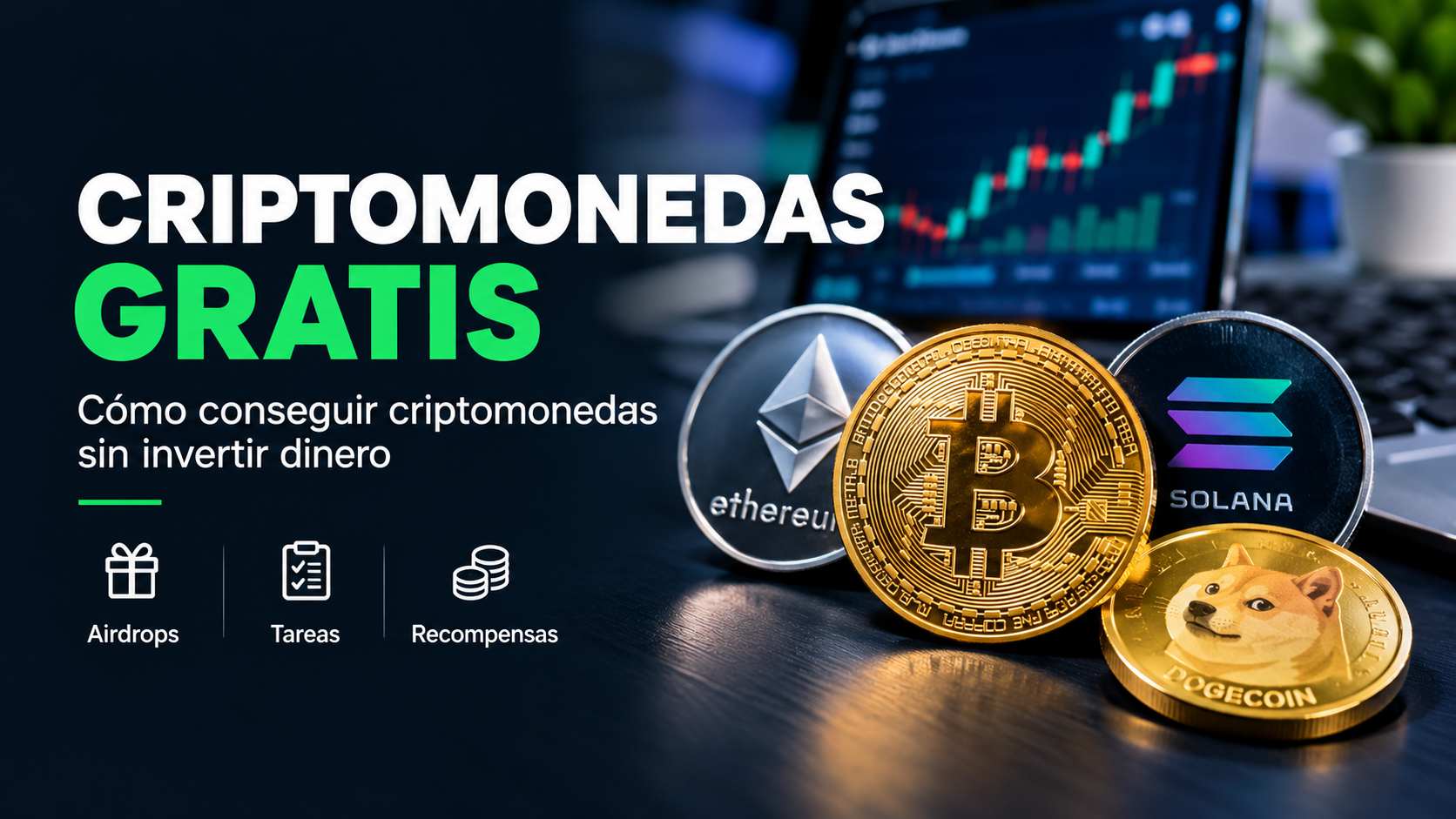
Getting cryptocurrency without spending your own money sounds appealing, especially if you’re new to digital assets. The good news is that some legitimate platforms offer opportunities to earn small amounts of crypto through educational programs, promotional rewards, airdrops, and online tasks.
However, criptomonedas gratis does not always mean completely free money. Some opportunities require time, personal information, wallet setup, or participation in a blockchain project. Others are scams designed to steal funds or sensitive data.
For U.S. readers, the best approach is to understand how these programs work, check the requirements before participating, and never pay an upfront fee just to claim a supposed reward.
This guide explains seven ways to explore free cryptocurrency opportunities, how to get started, and what to watch out for.
1. Earn Crypto Through Learn-and-Earn Programs
Learn-and-earn programs reward eligible users for learning about cryptocurrency projects. Participants typically watch educational videos, read short lessons, and answer quizzes.
Depending on the platform and available campaigns, rewards may include cryptocurrency tokens or other promotional benefits.
How to get started
- Research established cryptocurrency platforms that offer educational rewards.
- Create an account through the platform’s official website or app.
- Complete any required identity verification.
- Read the lessons and answer the quizzes.
- Check the reward conditions before participating.
Not every platform offers learn-and-earn campaigns all the time. Availability can also vary by country, account eligibility, and the specific cryptocurrency involved.
Best for: Beginners who want to learn about blockchain technology while exploring small crypto rewards.
2. Participate in Cryptocurrency Airdrops
A cryptocurrency airdrop is a distribution of tokens to eligible users, often to introduce a project, reward community members, or encourage participation in a blockchain ecosystem.
Some airdrops require no financial investment, while others involve completing tasks, using a particular application, or meeting eligibility conditions.
How to find legitimate airdrops
Look for announcements on a project’s official website and verified social media accounts. Read the eligibility rules carefully and confirm whether the token has actually been distributed.
A project announcing an airdrop does not guarantee that every participant will receive tokens or that the tokens will have market value.
Be especially cautious if a website asks you to connect your wallet and approve unfamiliar transactions. A malicious approval can expose your crypto assets to theft.
Best for: Users who enjoy researching new blockchain projects and are comfortable checking technical details.
3. Complete Online Tasks for Crypto Rewards
Some reward websites and applications offer cryptocurrency for completing activities. These may include surveys, small online tasks, app testing, watching advertisements, or participating in promotional campaigns.
The available tasks and payment methods differ between services. Some platforms pay in gift cards or conventional currency rather than cryptocurrency, so verify the payout method before investing your time.
What should you check first?
- Minimum withdrawal requirements.
- Supported cryptocurrencies and wallet networks.
- Whether your location is eligible.
- The time required to complete each task.
- User reviews and the platform’s payment history.
For example, if a website offers a small token reward for completing a survey, compare the reward with the time required and any withdrawal restrictions.
Remember that your time has value. A platform that advertises large earnings but makes withdrawals difficult may not be worth using.
Best for: People who want to experiment with earning small rewards without purchasing crypto.
4. Use Crypto Cashback and Reward Programs
Some financial services and shopping platforms have offered cashback or promotional rewards in cryptocurrency. Depending on the offer, users may receive crypto after making an eligible purchase or completing a qualifying activity.
These programs are not always free in the strict sense. If you spend $50 to receive a small crypto reward, you have still spent your own money.
Before signing up, review the program’s terms, including:
- Whether the reward is paid in cryptocurrency or cash.
- Minimum spending or deposit requirements.
- Account fees and withdrawal conditions.
- Whether the offer is available to U.S. residents.
- How long the reward takes to arrive.
Avoid making unnecessary purchases just to earn a small amount of crypto. A reward is only useful if the overall transaction makes financial sense.
Best for: People who already use a participating service and can qualify without spending extra money.
5. Join Blockchain Community Campaigns
Blockchain projects sometimes organize community campaigns to attract new users and encourage participation. Activities may include testing a product, reporting software bugs, creating educational content, or participating in community events.
Rewards vary. Some campaigns distribute tokens, while others offer points, badges, or eligibility for a future reward that may never materialize.
How to participate safely
Start with the project’s official website and documentation. Check the campaign dates, eligibility requirements, reward conditions, and whether participants in the United States are permitted.
Be careful with social media accounts that imitate well-known blockchain projects. A professional-looking website or a large number of followers does not prove that a campaign is legitimate.
Never share your wallet’s recovery phrase to receive a reward. No legitimate airdrop or community campaign needs your private recovery phrase.
Best for: People interested in blockchain communities who are willing to spend time researching projects rather than paying to participate.
6. Explore Crypto Faucets
Crypto faucets are websites or applications that distribute tiny amounts of cryptocurrency for completing simple activities. These may include solving captchas, checking in regularly, or viewing advertisements.
The rewards are generally small, and some services impose minimum withdrawal limits. As a result, you may spend considerable time accumulating a balance before you can withdraw anything.
Before using a faucet, check whether it has a transparent payment policy, a verifiable history, and reasonable withdrawal requirements.
Do not download unknown software or browser extensions just because a faucet promises larger rewards. A small crypto payment is not worth risking your computer or wallet.
Best for: Curious beginners who want to understand how small cryptocurrency payments work.
Read More: Pedrovazpaulo Crypto Investment: What It Is, Risks and What to Verify
7. Earn Crypto by Contributing Your Skills
If you have a useful skill, you may be able to earn cryptocurrency by providing a service to a client who agrees to pay in digital assets.
Examples include:
- Writing blog posts about technology or blockchain.
- Designing graphics for legitimate crypto projects.
- Developing websites or software.
- Providing translation or editing services.
- Creating educational content for businesses.
Unlike an airdrop, this method involves exchanging your time and expertise for payment. It is not passive income, but it can produce more meaningful earnings if you have a marketable skill.
Agree on the scope of work, payment amount, currency, and payment network before starting. Confirm the client’s identity and avoid jobs that require you to pay an upfront fee or send part of your payment to someone else.
The Federal Trade Commission warns that scammers often use fake online jobs and task-based schemes to persuade people to send cryptocurrency. Never deposit money simply to unlock supposed earnings.
Best for: Freelancers and creators who want to use existing skills to earn digital assets.
How to Start Earning Free Cryptocurrency Safely
You do not need to join every available program. A simple process can help you identify opportunities without taking unnecessary risks.
- Choose one method. Start with educational rewards or a well-documented community campaign.
- Research the provider. Find its official website, read the terms, and look for independent reports about payment problems or scams.
- Set up a suitable wallet if necessary. Check which blockchain and tokens the program supports. Never share your recovery phrase.
- Calculate the real cost. Consider the time involved, transaction fees, withdrawal limits, and any required purchases.
- Test with a small reward. If possible, confirm that the withdrawal process works before spending more time on the service.
- Keep records. Save reward confirmations, transaction IDs, and relevant tax information.
Remember that receiving cryptocurrency does not guarantee a profit. A token may lose value, remain difficult to sell, or have no meaningful market demand.
How to Avoid Free Cryptocurrency Scams
A free crypto offer can be tempting, but scammers often use giveaways and reward campaigns to steal money or wallet access.
The FTC recommends researching cryptocurrency offers carefully and avoiding promises of guaranteed profits.
Watch for these warning signs:
- Upfront payment requests: You are told to pay a fee, deposit crypto, or send money before receiving your reward.
- Guaranteed earnings: A website promises large, risk-free returns for completing simple tasks.
- Fake airdrops: A website imitates a real project and asks you to connect your wallet to a suspicious page.
- Recovery phrase requests: Someone asks for your seed phrase or private keys to verify your eligibility.
- Withdrawal traps: A platform displays fake earnings but requires another deposit to release them.
If an offer seems suspicious, stop and verify it through the project’s independently located official website. Never send cryptocurrency to someone who promises to double your money or release a prize after payment.
You can also report suspected fraud to the FTC at ReportFraud.ftc.gov.
Are Free Cryptocurrencies Taxable in the United States?
Potentially, yes. Receiving cryptocurrency for free does not automatically mean it is exempt from U.S. taxes.
The tax treatment depends on how you received the assets. Cryptocurrency received as payment for freelance work, rewards, or certain promotional activities may be treated differently from tokens acquired through other arrangements.
Selling, exchanging, or spending cryptocurrency can also create a taxable transaction.
Keep records of:
- The date you received the cryptocurrency.
- The amount and its U.S. dollar value when received.
- The reason for the payment or reward.
- Any later sale or exchange.
- Related transaction fees and supporting documents.
For guidance specific to your situation, consult the IRS digital assets guidance or a qualified tax professional.
FAQs About Criptomonedas Gratis
Can I get cryptocurrency for free without investing money?
Yes, some educational reward programs, airdrops, and community campaigns distribute crypto without requiring a purchase. However, you may need to complete tasks, meet eligibility requirements, or spend time researching projects.
Which is the easiest way to earn free crypto?
Learn-and-earn programs are a reasonable starting point for beginners because they combine basic education with potential rewards. Availability varies, and rewards are not guaranteed.
Are free cryptocurrency airdrops safe?
Some are legitimate, but fraudulent airdrops are common. Verify announcements through official sources, avoid suspicious wallet approvals, and never disclose your recovery phrase.
Can I withdraw free cryptocurrency into U.S. dollars?
Sometimes. It depends on the token, the wallet or exchange you use, the minimum withdrawal amount, and any applicable fees. Some tokens cannot be sold easily or may have little market value.
Do I have to pay taxes on free cryptocurrency?
You may have tax obligations depending on how you received the cryptocurrency and what you do with it afterward. Keep accurate records and consult IRS guidance for your particular circumstances.
Final Thoughts
Finding criptomonedas gratis is possible through educational rewards, airdrops, community campaigns, and other legitimate activities. The key is to understand what each opportunity requires before participating.
Start with one well-researched program, protect your wallet, and focus on the actual value of the reward rather than the advertised amount. Never risk your savings or pay an upfront fee just to claim supposedly free cryptocurrency.
A cautious approach can help you explore digital assets while avoiding unnecessary financial risks.
